admincb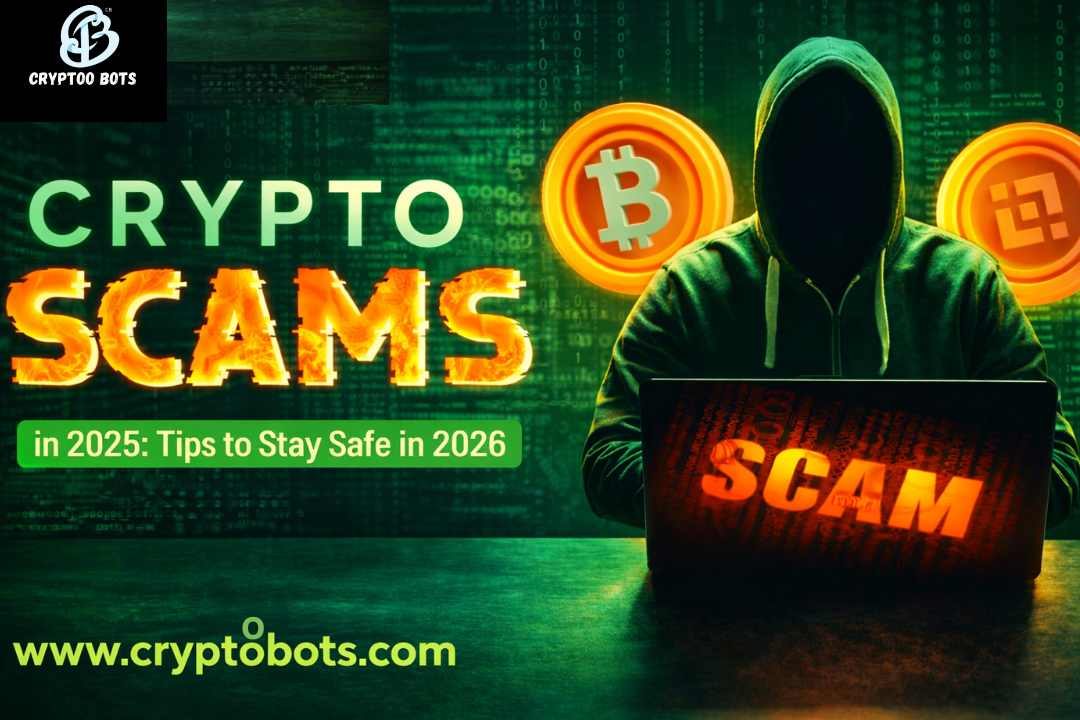
Cryptocurrency completely changed how people think about money, savings, and investing. For many, it represents financial freedom, borderless payments, and a chance to build wealth beyond the traditional banking world. But as crypto became popular, scammers saw an opportunity too.
Suddenly the internet was full of:
- fake AI trading bots
- romance-investment traps
- deepfake celebrity videos
- wallet-draining links
People did not lose money because they were foolish. They lost money because scams became extremely realistic. With AI tools, professional websites, fake reviews, and convincing chat scripts, even smart investors were tricked.
And that’s exactly why learning how scams work is your strongest protection.
Why Crypto Scams Exploded in 2025
Rapid adoption of crypto worldwide
2025 saw record-breaking numbers of:
- new crypto users
- newly launched tokens
- decentralized apps and wallets
More users simply meant more targets.
AI, automation, and deepfakes supercharging scams
Scammers now use:
- AI chatbots that talk like real customer support
- deepfake videos of CEOs and celebrities
- automated phishing systems
This made scams look professional, fast, and shockingly real.
Lack of regulation and user education
Crypto transactions are hard to reverse. Once funds are gone, they are usually gone for good. Many new investors entered without understanding basic safety.
Psychological manipulation and social engineering
The real weapon scammers use is emotion not technology. They trigger:
- greed (“huge guaranteed returns”)
- fear (“act now or lose your chance”)
- love (“do this for our future together”)
When emotions rise, logic drops.
How Much Was Lost to Crypto Scams
Billions of dollars were lost globally in 2025 alone. Losses jumped compared to previous years because scams became:
- more automated
- more believable
- faster to execute
Even experienced crypto users fell into traps powered by deepfakes and realistic platforms. The biggest mistake victims made? Trusting too quickly.
Top Crypto Scams You Must Watch For
Rug pulls and project exit scams
A rug pull happens when project creators:
launch a flashy new token
hype it on social media
collect investor money
vanish with the funds
How rug pulls usually happen
Most appeared during memecoin booms, where excitement replaced research.
Pig-butchering romance-investment scams
This is one of the most painful scams because it plays with emotions.
Scammers:
- build an online friendship or romantic connection
- talk daily for weeks or months
- slowly introduce “investment opportunities”
- show fake profit screenshots
Emotional manipulation tactics used
They say:
- “trust me”
- “do it for our future”
- “everyone is doing it”
By the time victims realize the truth, their funds are gone.
Phishing scams and fake websites
One wrong click can empty a wallet.
Fake websites ask for:
- seed phrases
- passwords
- private keys
They often look identical to real platforms.
Seed phrase stealing tricks
Any site asking for your phrase is a scam. No exceptions. Ever.
Fake exchanges and fake wallet apps
Some apps look authentic and even appear in app stores. But when users deposit money, funds are drained or frozen.
Copycat app store listings
Logos, names, and websites are cloned to confuse users.
Pump-and-dump groups
Groups promise coordinated buying to “pump” prices. In reality, organizers buy early, dump on latecomers, and vanish.
Telegram and Discord manipulation
Admins delete chats and disappear after dumping.
Deepfake videos of celebrities promoting scams
Famous faces appear to promote coins or giveaways but the videos are fake.
Why deepfakes are convincing
They use real voices, real faces, and real branding.
Fake trading bots and AI investment tools
These tools “prove” gains with fake dashboards and fabricated charts.
Screenshots of guaranteed profits
Guaranteed profit = guaranteed scam.
Bitcoin ATM and phone call scams
Scammers call pretending to be:
- police
- bank officials
- government officers
They pressure victims to send crypto through ATMs.
Why aging loved ones users are targeted
They are more trusting and less familiar with crypto.
Why These Crypto Scams Work So Well
- crypto payments are irreversible
- emotions overpower logic
- scammers look professional
- victims feel rushed
Scammers don’t need to hack systems they hack people.
How to Stay Safe in 2026 – Simple Rules Everyone Should Follow
Rule :1 – Never share your seed phrase or private key
Your seed phrase is your wallet. Anyone who has it owns your money. No company support agent will ever ask for it.
Rule :2 – Use trusted, verified exchanges and wallets
Stick with platforms with:
- long reputations
- real reviews
- verified domains
Rule :3 – Test with a small transaction first
Send a tiny amount before sending more.
Rule :4 – Use hardware wallets for long-term storage
Offline wallets protect large holdings from online hacks.
Rule :5 – Turn on strong security and 2FA
Avoid SMS 2FA when possible. Use app-based authentication.
Rule :6 – Be skeptical of guaranteed profits
No risk-free high returns exist in crypto. Period.
Rule :7 – Research token contracts and teams
Look for:
- locked liquidity
- visible team members
- independent audits
Rule :8 – Never pay through Bitcoin ATMs
No real government or bank requests crypto through ATMs.
Rule :9 – Protect your personal information
Don’t share:
- wallet balances
- screenshots
- transaction histories
Rule :10 – Verify before you trust
Slow down. Scammers hate patient people.
Red Flags That Almost Always Mean “Scam”
- pressure to act fast
- “guaranteed” returns
- anonymous founders
- requests for seed phrases
- deepfake celebrity endorsements
What To Do If You Get Scammed
- stop sending money immediately
- collect all messages and transaction IDs
- report to your exchange and local authorities
- warn others so they don’t fall too
Emotional recovery is important too scams hurt confidence as much as finances.
How to Teach Friends and Family to Stay Safe
Talk openly about scams. Especially with:
- parents
- aging loved ones
- teens entering crypto
Awareness prevents loss.
Final Thoughts
Crypto offers real opportunity but scammers chase opportunity too. The difference between safe investing and disaster is simple habits:
- protect your keys
- slow down
- double-check everything
Let 2026 be the year you stay smarter than scammers. No FOMO, rushing. No blind trust.
Disclaimer
This article is for educational purposes only and is not financial, legal, or investment advice. Always do your own research.