admincb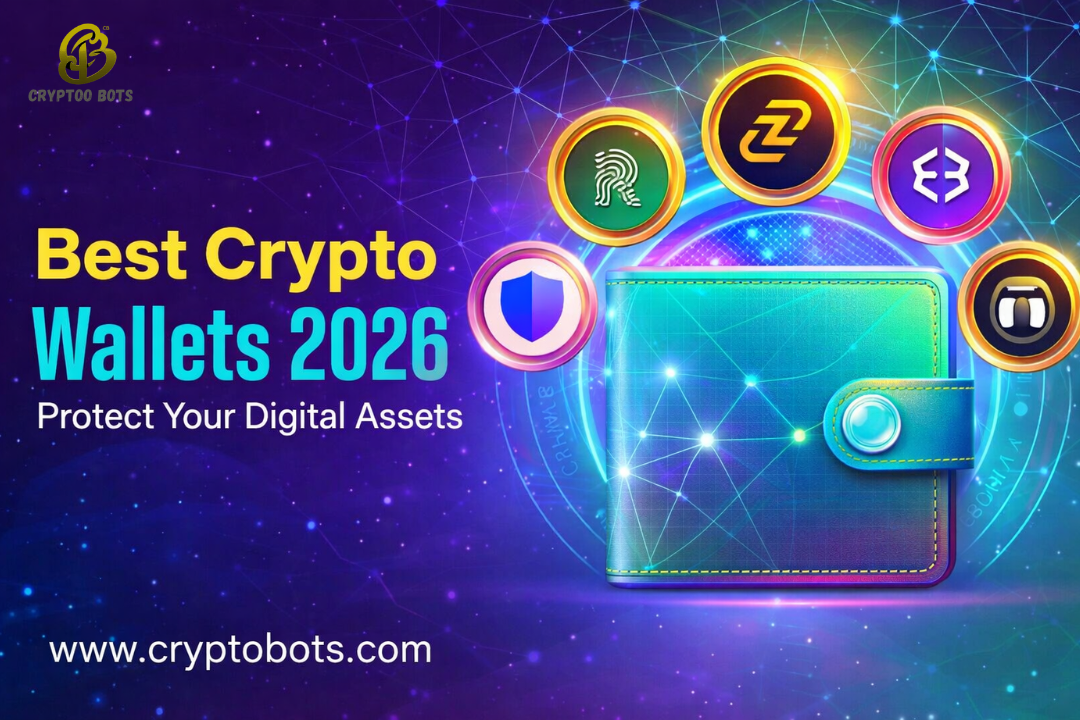
Why Crypto Wallets Matter More Than Ever
If you’re involved in cryptocurrency today, one thing is crystal clear: security is everything. In 2026, crypto adoption has surged dramatically, with nearly one in four adults owning digital assets globally (Coincub). That’s not just growth it’s a full-blown financial shift. And with this shift comes responsibility. You’re no longer relying on banks; instead, you’re your own bank. Sounds empowering, right? It is but it also means one mistake can cost you everything.
Crypto wallets have evolved from simple storage tools into powerful financial hubs. They now allow users to trade, stake, manage NFTs, and interact with decentralized apps (dApps) all in one place. (Coincub) This transformation means your wallet isn’t just holding assets it’s actively managing your digital financial life. Think of it like upgrading from a basic wallet to a full banking app that fits in your pocket.
The Rise of Self-Custody
The phrase “not your keys, not your coins” has never been more relevant. In recent years, major exchange collapses and hacks have pushed users toward self-custody wallets, where they control their own funds. This shift is fueling demand for wallets that combine ease of use with strong security.
Interestingly, modern wallets are addressing one of the biggest fears in crypto: losing access. New technologies like Multi-Party Computation (MPC) are removing the need for complicated seed phrases and reducing the risk of human error. (Spoted Crypto) So now, even beginners can manage crypto without feeling like they’re handling a ticking time bomb.
What Is a Crypto Wallet?
How Crypto Wallets Work
Let’s clear up a common misconception: crypto wallets don’t actually store your coins. Instead, they store something far more important your private keys. These keys are what give you access to your assets on the blockchain.
Imagine your crypto as money locked in a digital vault. The wallet doesn’t hold the money it holds the key to unlock it. Without that key, your funds are essentially gone forever. That’s why wallets are such a critical part of the crypto ecosystem.
Every time you send or receive crypto, your wallet interacts with the blockchain to verify and record the transaction. It’s like signing a digital check, except it’s secured by advanced cryptography rather than a handwritten signature.
Private Keys Explained Simply
A private key is like the password to your entire crypto portfolio but much more powerful. If someone gets access to it, they can control your funds instantly. In fact, around 80% of crypto thefts in 2025 were linked to compromised private keys (AInvest). That’s a staggering number and a clear reminder of why wallet security matters.
Modern wallets are now moving away from traditional private key systems. Instead, they use technologies like MPC, which splits your key into multiple parts. This means there’s no single point of failure making it significantly harder for hackers to steal your assets.
Types of Crypto Wallets
Hot Wallets (Online Wallets)
Hot wallets are connected to the internet, making them incredibly convenient. You can access them anytime, anywhere perfect for trading or daily transactions. Most mobile apps and browser wallets fall into this category.
But convenience comes with a trade-off. Since they’re online, hot wallets are more vulnerable to hacks and phishing attacks. That’s why they’re best suited for smaller amounts or active trading funds, rather than long-term storage.
Cold Wallets (Offline Storage)
Cold wallets, on the other hand, are completely offline. These include hardware wallets and physical storage devices. Because they’re not connected to the internet, they offer maximum security against cyber threats.
In 2026, cold wallets have become more user-friendly, with features like NFC connectivity and biometric authentication making them easier to use than ever. (Coincub) They’re ideal for investors who want to store large amounts of crypto safely over the long term.
Key Trends in Crypto Wallets 2026
MPC and Seedless Security
One of the biggest breakthroughs in 2026 is the rise of MPC wallets. These wallets eliminate the need for seed phrases by splitting your private key into multiple encrypted parts. (Spoted Crypto)
This innovation solves one of crypto’s biggest problems: human error. No more writing down 12-word phrases or worrying about losing them. Even if one part of the key is compromised, your funds remain safe.
Multi-Chain and Web3 Integration
Another major trend is multi-chain support. Instead of using separate wallets for Bitcoin, Ethereum, and other blockchains, users can now manage everything in one place.
Wallets are also becoming gateways to Web3, allowing users to interact with DeFi platforms, NFTs, and decentralized applications seamlessly. It’s like having the entire blockchain ecosystem in your pocket.
Best Crypto Wallets in 2026
ZenGo Wallet Review
Features and Benefits
ZenGo stands out because it completely removes the traditional private key system. Instead, it uses MPC technology to secure your assets. This means there’s no single point of failure a huge advantage in today’s security landscape.
It’s also incredibly beginner-friendly. With features like biometric login and easy recovery options, ZenGo makes crypto accessible to everyone. Plus, it has already attracted over a million users, showing strong trust in its model.
RockWallet Overview
Key Advantages
RockWallet focuses on simplicity. It’s designed for users who want a clean, straightforward experience without unnecessary complexity. You can buy, sell, store, and swap crypto all within a single interface.
It supports major cryptocurrencies like Bitcoin, Ethereum, and popular tokens, making it a solid choice for everyday use. If you’re someone who values ease over advanced features, RockWallet is a great option.
Trust Wallet Analysis
Why It’s Still Popular
Trust Wallet remains one of the most widely used wallets in 2026 and for good reason. It supports millions of assets across over 100 blockchains, making it one of the most versatile wallets available.
It also gives users full control over their funds, as it’s a non-custodial wallet. Combined with its integration with dApps and DeFi platforms, Trust Wallet offers a complete Web3 experience in one app.
Tangem Wallet Review
Hardware Meets Simplicity
Tangem takes a unique approach by combining hardware and software. It uses physical cards that act as your wallet, offering the security of a cold wallet with the convenience of a mobile app.
There’s no complicated setup, and transactions are as simple as tapping your card. This makes it perfect for users who want strong security without dealing with technical complexities.
Exodus Wallet Breakdown
Desktop and Mobile Experience
Exodus is known for its sleek design and multi-platform support. Whether you’re using a desktop, mobile device, or browser extension, it offers a seamless experience.
It supports over 1 million assets across 50+ networks, making it one of the most flexible wallets available. Its built-in exchange feature also allows users to trade crypto directly within the app.
Comparison Table of Top Wallets
| Wallet | Type | Security Model | Best For | Key Feature |
|---|---|---|---|---|
| ZenGo | Hot Wallet | MPC | Beginners | Keyless security |
| RockWallet | Hot Wallet | Traditional | Daily use | Simple interface |
| Trust Wallet | Hot Wallet | Non-custodial | Multi-chain users | dApp integration |
| Tangem | Cold Wallet | Hardware | Long-term storage | Card-based access |
| Exodus | Hybrid | Non-custodial | Multi-platform users | Built-in exchange |
How to Choose the Best Crypto Wallet
Security vs Convenience
Choosing a wallet is like choosing between a safe and a wallet in your pocket. Do you want maximum security, or quick access? Ideally, you want both but there’s always a trade-off.
If you’re holding large amounts, go for cold storage or MPC wallets. If you’re trading daily, a hot wallet might be more practical.
Beginner vs Advanced Needs
Beginners should look for wallets with simple interfaces and recovery options. Advanced users, on the other hand, may prefer wallets with DeFi integration, staking, and multi-chain support.
Common Mistakes to Avoid
One of the biggest mistakes is not backing up your wallet properly. Even with modern solutions, you should always have a recovery plan. Another common error is falling for phishing scams always double-check URLs and transactions before confirming anything.
The Future of Crypto Wallets
The future of crypto wallets is incredibly exciting. With technologies like account abstraction and passkeys, wallets are becoming smarter and easier to use. (Spoted Crypto)
The market is also expected to grow massively from $18.96 billion in 2025 to $69.02 billion by 2030 (AInvest). This growth shows just how important wallets will be in the coming years.
Conclusion
Crypto wallets are no longer optional they’re essential. Whether you’re a beginner or an experienced investor, choosing the right wallet can make the difference between safety and loss.
Wallets like ZenGo, RockWallet, Trust Wallet, Tangem, and Exodus each offer unique advantages. Some focus on simplicity, others on security, and some aim to deliver the best of both worlds.
As the crypto space continues to evolve, one thing remains constant: your wallet is your gateway to financial freedom and your first line of defense.