admincb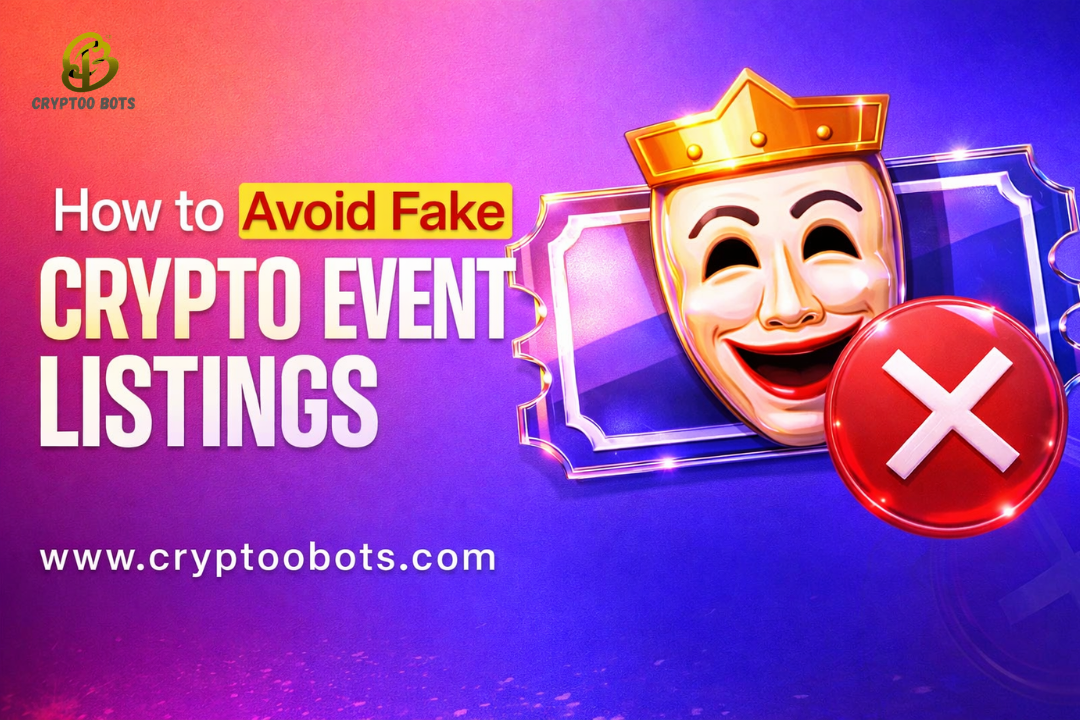
Why Fake Crypto Event Listings Are a Growing Threat
As the cryptocurrency industry continues to expand, conferences, summits, and blockchain meetups have become important spaces for networking, education, and investment discussions. These events give startups visibility, help investors discover new opportunities, and allow industry professionals to share knowledge.
Understanding how to identify and avoid such scams is essential for anyone involved in the crypto space
Common Warning Signs of Fake Crypto Event Listings
Unknown or Unverified Event Organizers
One of the biggest red flags is an organizer with no established track record.
For crypto projects:
As well As Reputable events are usually managed by well-known companies or experienced event organizers. If the team behind an event has no history of hosting conferences, this should raise concerns.
For investors:
If you cannot find credible information about the organizer, such as past events, partnerships, or media mentions, the event may not be legitimate.
How to stay safe:
- Research the organizer’s background and previous events
- Check their official website and verified social media accounts
- Look for coverage from recognized crypto media outlets
Suspicious or Misleading Event Listings
Fraudulent events often appear on low-quality websites or are promoted heavily through ads and social media without any official confirmation.
Red flags to watch for:
- The event is listed only on unknown platforms
- There is no mention of the event on trusted event directories
- Event details vary across different listings
How to verify legitimacy:
- Cross-check the event across multiple reputable platforms
- Always visit the official website instead of relying on ads or third-party links
Questionable Website or Domain Issues
A legitimate crypto event almost always has a professional and secure website. Fake listings, on the other hand, may use poorly designed pages or domains that closely resemble well-known events.
Common warning signs:
- Misspelled domain names or strange extensions
- Lack of HTTPS security (no padlock in the browser)
- Domains that were registered only recently
How to protect yourself:
- Check domain age using public domain lookup tools
- Confirm that the website uses HTTPS encryption
- Avoid clicking links in unsolicited emails or advertisements
Fake Speakers or a Vague Agenda
Although, Scam events often claim that well-known figures will attend, but these names are either fabricated or included without permission. In other cases, the event agenda is extremely vague or lacks specific session details.
Verification tips:
- Search for listed speakers on professional platforms like LinkedIn or X (Twitter)
- Check whether speakers have publicly confirmed their participation
- Look for a detailed schedule with clear session topics and timings
Suspicious Ticketing and Payment Requests
Also,Fraudulent listings frequently pressure participants to make quick payments or request funds through unusual channels.
Red flags include:
- Requests to send payments directly to crypto wallets
- Lack of written agreements for sponsorship or booth fees
- No refund or cancellation policy
Safe payment practices:
- Purchase tickets only through official and trusted ticketing platforms
- Avoid direct transfers or unknown wallet addresses
- Always review payment terms and refund policies before paying
Overhyped Marketing and Unrealistic Promises
Scam events often rely on exaggerated claims to attract attention. They may promise guaranteed investor meetings, instant token listings, or massive exposure for participating projects.
What to remember:
Legitimate events focus on networking, learning, and community building not guaranteed profits or success.
Stay cautious if you see:
- Claims of “exclusive investment deals”
- Promises of guaranteed ROI or token listings
- Testimonials that cannot be verified
No Evidence of Past Events or Community Presence
As. Established conferences usually showcase photos, videos, and reviews from previous editions. A lack of historical content or community feedback is a major warning sign.
How to check authenticity:
- Search for videos of past events on platforms like YouTube
- Look for attendee reviews on forums, Reddit, or social media
- Verify whether the event has been held consistently over multiple years
Why Verifying Crypto Events Matters
However, For blockchain startups, participating in legitimate events builds credibility, attracts investors, and creates meaningful partnerships. Being associated with a fake event can damage a project’s reputation and waste valuable marketing budget.
Also, For investors and attendees, verified events provide real learning opportunities, genuine networking, and access to credible projects. Falling for a fake listing, however, can result in financial loss or exposure to phishing attempts.
Final Thoughts
So,Fake crypto event listings are becoming more sophisticated, often appearing highly professional and convincing. This makes it essential to conduct proper due diligence before registering, sponsoring, or attending any crypto conference.
If something feels suspicious whether it is unclear organizers, unrealistic promises, or unusual payment methods it is better to step back and verify before taking action. In the crypto world, caution and research are your best protection.
Disclaimer
This article is intended for informational purposes only and should not be considered financial or investment advice. Always perform your own research and verify event legitimacy before participating in any cryptocurrency-related conference or event.