admincb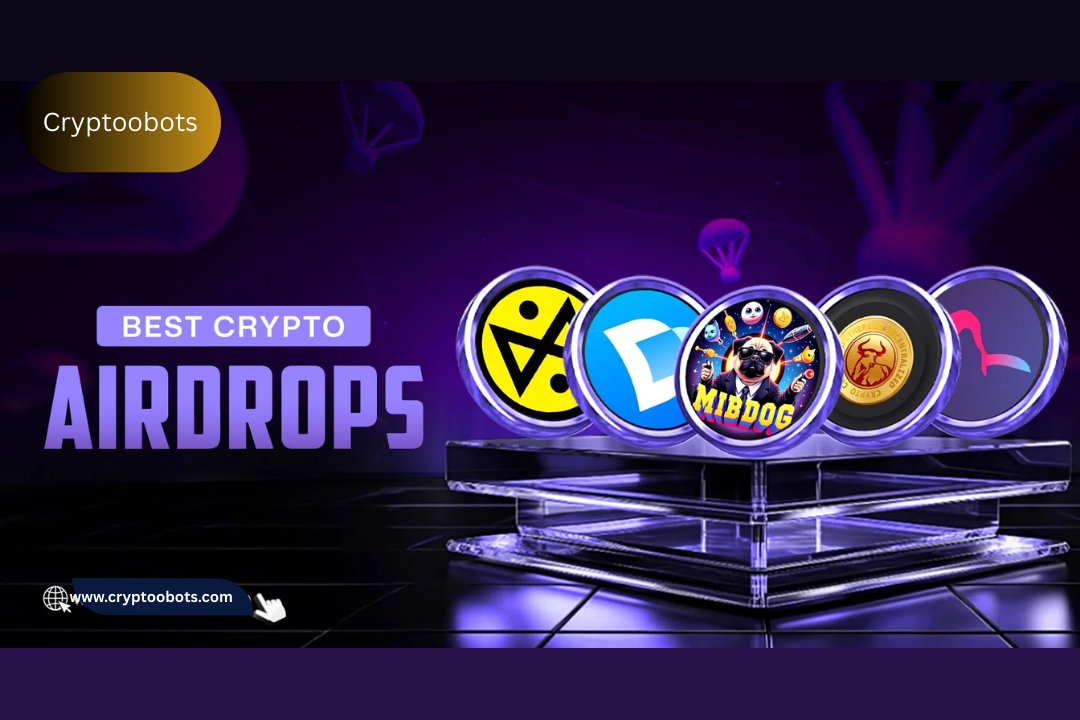
Crypto airdrops continue to be one of the most popular ways for blockchain projects to introduce their ecosystems to new users. Instead of spending large marketing budgets on traditional advertising, many Web3 platforms reward early supporters by distributing tokens to eligible participants who complete community tasks, test products, or engage with decentralized applications. This approach helps projects build active communities while giving participants an opportunity to explore new ecosystems without making an immediate financial commitment.
That said, every airdrop is different. Eligibility rules, reward amounts, vesting schedules, and token utility vary significantly between projects. Participants should always read the official documentation, verify announcements from official channels, and remember that receiving an airdrop does not guarantee future token value or exchange listings. Research remains essential before connecting wallets or sharing personal information. Academic research also suggests that well-designed airdrops are most successful when they encourage long-term community participation rather than short-term speculation. (arXiv)
What Makes Crypto Airdrops Popular?
Crypto airdrops serve multiple purposes. For blockchain startups, they provide an effective way to attract early adopters and encourage users to test new products. For community members, they offer an opportunity to participate in emerging ecosystems while learning about decentralized finance (DeFi), NFTs, or Web3 applications.
Before joining any campaign, users should:
- Verify the project’s official website.
- Never share private keys or seed phrases.
- Use a dedicated crypto wallet for testing new platforms.
- Review token utility rather than focusing only on promotional reward estimates.
Coingarage ($GARA)
Project Overview
Coingarage is developing a cryptocurrency exchange ecosystem where the GARA token functions as a utility asset. According to the project’s official documentation, GARA can be used to pay exchange fees at discounted rates, participate in staking, and access additional ecosystem services. The project also includes token-burning mechanisms intended to reduce circulating supply over time. (Coingarage.io)
Key Features
- Ethereum-based utility token
- Exchange fee discounts
- Staking opportunities
- Token burn mechanism
- Community reward campaigns
How to Participate
Participation requirements may change over time, but official campaigns generally ask users to:
- Register through the official platform.
- Connect a supported wallet.
- Complete community or promotional tasks.
- Follow official claim instructions if eligible.
Always use only the project’s official website or verified announcements. (Medium)
Tokenomics
| Metric | Details |
|---|---|
| Token | GARA |
| Total Supply | 900 Million |
| Network | Ethereum |
| Primary Utility | Exchange ecosystem |
| Allocation | Includes marketing, staking, rewards, company reserves, public sale, and burn allocation |
Note: Distribution schedules and campaign details may change. Refer to the official whitepaper for the latest information. (Coingarage.io)
Tethereum ($T99)
Platform Overview
Tethereum is presented as a decentralized exchange ecosystem operating on BNB Chain. The project focuses on facilitating BEP-20 token swaps using an Automated Market Maker (AMM) model similar to other decentralized exchanges.
Main Features
- Fast decentralized token swaps
- Low transaction fees
- Community governance
- Liquidity pools
- Staking support
- Open-source architecture
The project aims to simplify decentralized trading while maintaining non-custodial wallet integration. As with any DeFi platform, users should verify smart contracts and official announcements before interacting with the protocol.
Tokenomics
| Metric | Details |
|---|---|
| Token | T99 |
| Blockchain | BNB Chain |
| Governance | Community-based |
| Utilities | Staking, liquidity, governance |
MIBDOG ($MIBDOG)
Ecosystem Overview
MIBDOG began as a community-focused meme token but has expanded its goals toward broader decentralized finance features. The project emphasizes transparent smart contracts, community governance, and ecosystem participation.
Unlike many meme projects that focus primarily on speculation, MIBDOG promotes community engagement through educational initiatives, ecosystem development, and decentralized participation. Users interested in the project should review its official documentation before participating in promotional campaigns.
Token Distribution
| Metric | Details |
|---|---|
| Total Supply | 1 Billion |
| Community Allocation | Includes ecosystem incentives |
| Blockchain | Ethereum |
Dagama ($DGMA)
Core Features
Dagama aims to simplify blockchain adoption for individuals and businesses through an ecosystem that combines wallets, staking, NFTs, and decentralized finance.
Its planned ecosystem includes:
- Multi-chain compatibility
- Secure wallet integration
- NFT marketplace
- Staking features
- DeFi expansion
Development Roadmap
The publicly shared roadmap highlights several planned phases, including token launch, wallet integration, staking functionality, NFT marketplace development, exchange listings, and continued DeFi ecosystem growth.
| Tokenomics | Value |
|---|---|
| Token | DGMA |
| Total Supply | 700 Million |
| Primary Focus | Multi-chain ecosystem |
MetaGram ($MGR)
Platform Highlights
MetaGram focuses on making Web3 easier to use by combining wallet management, cross-chain transfers, decentralized application access, and community tools within one platform.
Key highlights include:
- User-friendly interface
- Cross-chain compatibility
- Wallet integration
- Community engagement tools
- Planned DAO governance
Roadmap & Tokenomics
MetaGram’s development roadmap includes multiple phases covering launch, community growth, wallet deployment, DeFi integrations, and decentralized governance.
| Metric | Details |
|---|---|
| Token | MGR |
| Total Supply | 1 Billion |
| Focus | Cross-chain ecosystem |
Safety Tips Before Joining Any Airdrop
While crypto airdrops can introduce users to promising blockchain projects, security should always come first.
Keep these best practices in mind:
- Never share your recovery phrase or private keys.
- Verify all announcements through official project channels.
- Beware of fake Telegram groups and phishing websites.
- Use a separate wallet for testing new projects whenever possible.
- Read the project’s whitepaper before participating.
- Understand vesting schedules and token utility rather than assuming immediate liquidity.
Remember that an airdrop represents a promotional campaign, not an investment recommendation. Token prices, exchange listings, and future utility remain uncertain and depend on project execution and market conditions.
Conclusion
Crypto airdrops remain an effective strategy for blockchain projects to build engaged communities while introducing users to innovative technologies. Projects such as Coingarage, Tethereum, MIBDOG, Dagama, and MetaGram each focus on different aspects of the Web3 ecosystem, ranging from decentralized exchanges and staking to cross-chain infrastructure and NFT integration.
Before participating, always conduct independent research, verify information using official project resources, and understand the project’s long-term objectives. Free token distributions can provide valuable learning opportunities, but responsible participation and proper security practices should always come first.
FAQs
1. Are crypto airdrops really free?
Most legitimate airdrops do not require purchasing tokens, although participants may need to complete community activities or interact with the platform.
2. Are airdrops guaranteed to have value?
No. Receiving tokens does not guarantee future market value, exchange listings, or liquidity.
3. Do I need KYC for every airdrop?
Requirements vary by project. Some campaigns require identity verification, while many community airdrops do not.
4. How can I avoid airdrop scams?
Only use official websites, verify announcements, and never share your wallet’s private keys or recovery phrase.
5. What should I research before joining?
Review the project’s whitepaper, token utility, roadmap, team transparency, security practices, and official communication channels before participating.