admincb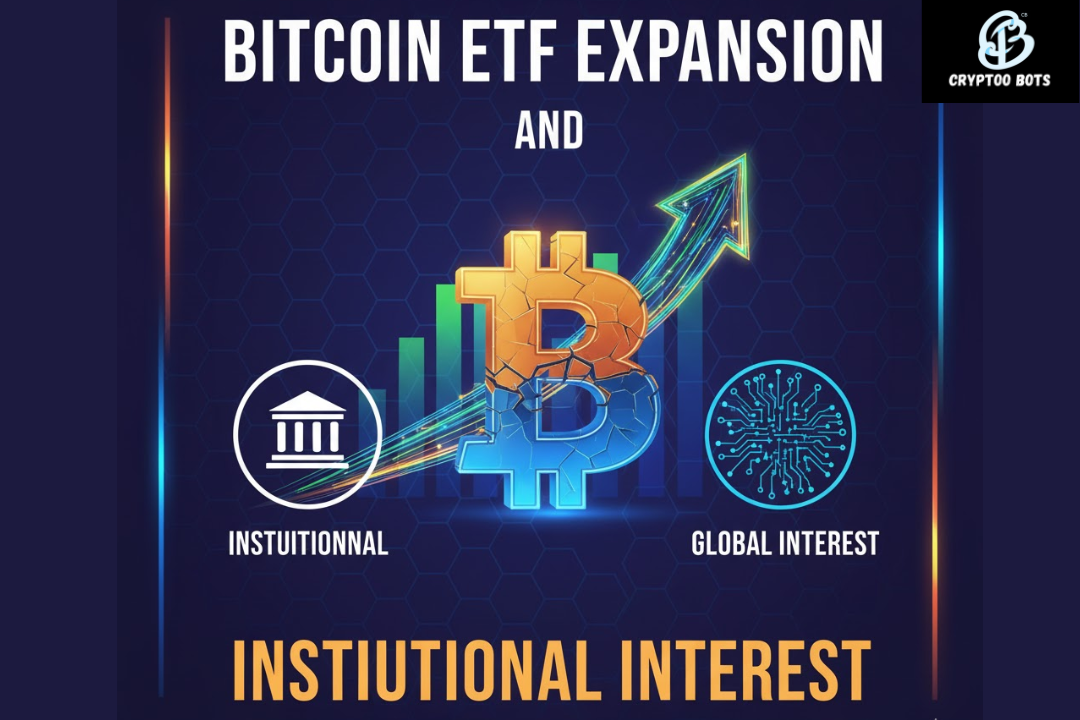
A New Era for Crypto Investments
The world of cryptocurrency has taken a major leap toward mainstream adoption with the rise of Bitcoin Exchange-Traded Funds (ETFs). What was once a niche market dominated by tech-savvy individuals is now attracting institutional investors, hedge funds, and traditional finance giants.
Bitcoin ETFs are not just another investment product they represent the bridge between Wall Street and the blockchain.
Understanding Bitcoin ETFs
What Is a Bitcoin ETF?
A Bitcoin ETF (Exchange-Traded Fund) is an investment fund that tracks the price of Bitcoin, allowing investors to gain exposure without directly buying or storing the cryptocurrency. It trades on traditional stock exchanges, making Bitcoin accessible to everyone from retirees to corporate treasurers.
Spot vs. Futures Bitcoin ETFs
- Spot ETFs hold actual Bitcoin, reflecting the real-time price of the asset.
- Futures ETFs are based on Bitcoin futures contracts they don’t hold real BTC, but predict its price movement.
In 2025, spot Bitcoin ETFs are leading the charge, as they bring transparency and stability to the crypto market.
Why ETFs Matter for Investors
Bitcoin ETFs remove the technical barriers no wallets, no private keys, no security risks.
They also offer regulatory protection, making crypto exposure safer and more appealing for traditional investors.
The Rise of Institutional Interest
Wall Street Enters the Crypto Game
The approval of Bitcoin ETFs by the U.S. SEC opened the floodgates for Wall Street.
Names like BlackRock, Fidelity, and ARK Invest are now investing billions into crypto products, signaling strong confidence in Bitcoin’s long-term value.
How Traditional Finance Is Embracing Bitcoin
Banks and financial institutions are offering Bitcoin ETF trading options, allowing clients to diversify portfolios. Pension funds and endowments once hesitant are now allocating small percentages of assets into Bitcoin-based ETFs.
The Role of Regulatory Approvals
SEC approval of spot Bitcoin ETFs has brought legitimacy to the crypto industry.
It’s a sign that Bitcoin is no longer viewed as a speculative gamble but as a recognized financial asset.
Top Players in the Bitcoin ETF Market
BlackRock’s iShares Bitcoin Trust
BlackRock’s entry was a turning point. With its massive influence, the iShares Bitcoin Trust (IBIT) attracted billions in inflows within weeks, setting new ETF records.
Fidelity and ARK Invest’s Competitive Edge
Fidelity leverages its trusted brand and user-friendly platforms, while ARK Invest focuses on innovation and high-growth portfolios, making them major forces in the ETF landscape.
Other Notable Bitcoin ETF Providers
Companies like Grayscale, VanEck, and Valkyrie are also expanding their ETF products, giving investors multiple choices based on fees and structure.
Benefits of Bitcoin ETFs for Investors
Accessibility and Simplicity
Investing in Bitcoin is now as easy as buying a stock. You can add Bitcoin exposure directly from your brokerage account no exchanges, no wallets needed.
Regulated Exposure to Bitcoin
Bitcoin ETFs operate under strict financial oversight, making them safer for institutional and retail investors alike.
Portfolio Diversification
A small allocation to Bitcoin ETFs can significantly improve portfolio performance by reducing dependence on traditional assets like stocks and bonds.
The Impact on Bitcoin’s Price and Market Stability
Institutional Capital Inflow
Since ETF approvals, billions in institutional funds have flowed into Bitcoin. This demand is driving strong upward pressure on prices and increasing liquidity.
Reduced Volatility Over Time
As more institutional investors hold Bitcoin long-term, market swings are becoming less severe. ETFs are creating a more stable investment environment for Bitcoin.
Long-Term Price Predictions
Experts predict that Bitcoin could surpass $150,000 by 2026 if institutional inflows continue.
The ETF market has effectively turned Bitcoin into a mainstream asset class.
Challenges and Risks
Regulatory Uncertainty
Despite progress, global regulation remains uneven. Some countries restrict crypto ETFs or impose heavy taxes, slowing adoption.
Market Manipulation Concerns
Skeptics worry that large institutions could influence Bitcoin prices via ETF inflows and outflows. Transparency and on-chain audits are key to addressing these fears.
ETF Fees and Tracking Errors
Not all ETFs are equal some charge higher fees or fail to track Bitcoin’s price accurately.
Investors must research expense ratios and performance records before choosing.
Bitcoin ETFs Around the WorlUnited States
The U.S. remains the leader in Bitcoin ETF adoption, with products like BlackRock IBIT dominating global trading volumes.
Canada and Europe
Canada approved Bitcoin ETFs earlier than the U.S., setting the foundation for global acceptance.
European ETFs, especially in Germany and Switzerland, continue to attract institutional money.
Asia’s Growing ETF Interest
Countries like Hong Kong and Japan are exploring Bitcoin ETF approvals, paving the way for an Asian crypto investment boom.
How to Invest in a Bitcoin ETF
Choosing the Right ETF
Compare ETFs based on:
- Management fees
- Custody partners
- Liquidity and daily trading volume
Platforms and Brokers
Investors can buy Bitcoin ETFs through Fidelity, Charles Schwab, E*TRADE, or even Robinhood.
Always ensure your platform supports regulated crypto ETFs.
Key Things to Watch Before Investing
- ETF structure (spot or futures)
- Expense ratio
- Market performance
- Institutional backing
The Future of Institutional Crypto Adoption
The success of Bitcoin ETFs is only the beginning. Institutions are now exploring Ethereum, Solana, and tokenized real-world assets (RWA).
Traditional finance and blockchain are merging and ETFs are the bridge connecting them.
Conclusion
Bitcoin ETF expansion marks a historic milestone in crypto’s journey to mainstream legitimacy. With institutional interest surging, Bitcoin is evolving from digital gold into a global financial asset.
As ETFs continue to attract billions in investments, one thing is clear the future of finance is decentralized, regulated, and powered by Bitcoin.